Showing posts with label 2020 at 09:20AM. Show all posts

Tuesday, 15 September 2020

7 Best Flashlights & Helmet Lights for Firefighters

A flashlight is a tool that many of us might take for granted. However, firefighters know that a flashlight is far more important in their day-to-day lives. 

They light the way in emergencies to locate those at risk in the night, help us find our way through the darkness in building and accident scenes at night. They are a second pair of eyes, which is why it is crucial that we have a flashlight that is up to the task.

Short on time? Don’t feel like reading? No problem! Here’s my two personal favorites and what I use on my own gear…

Sale
Streamlight 90540 Survivor LED Right Angle Flashlight, Orange - 175 Lumens
Streamlight 90540 Survivor LED Right Angle Flashlight, Orange – 175 Lumens
  • Rubber dome push button switch easy to use with gloves
  • Dual power source: Rechargeable NiCd battery; also accepts 4 “AA” alkaline batteries
  • C4 LED with high, low, emergency flash and moonlight modes
  • High for a super bright beam that pierces through smoke: 41,000 candela; 175 lumens; 405m beam distance; runs 3.5 hours (NiCd); runs 4 hours (alkaline)
  • Low for bright light and longer run time: 14,000 candela; 60 lumens; 237m beam distance; runs 13 hours (NiCd); runs 15 hours (alkaline)
Sale
Streamlight 69140 Vantage LED Tactical Helmet Mounted Flashlight, Black
  • Rotates 360 degrees on clamp; Bright blue tail light LED
  • On/off switch operates with heavy gloves on; Attach or remove in seconds with no tools
  • Clamps on above or below helmet brim; Bulb: LED; Finish: Matte Black
  • Output (lumens): 115; Power Source: CR123A Lithium, x 2; Switch: Dual-Direction On/Off Switch

Last update on 2020-09-15 / Affiliate links / Images from Amazon Product Advertising API

In this guide, I have provided some honest reviews of flashlights that I believe make the cut. The list is split into two halves – standard flashlights and helmet lights.

In each case, I have highlighted my own personal recommendation before including some additional products with their own pros and cons. 

Before that, I want to talk a little more about the importance of a good helmet light and flashlight in this industry and some of the features that you need to look out for.

Why do you need a high powered flashlight when working as a firefighter?

Your run-of-the-mill flashlight at home isn’t going to cut it out in an emergency. There is no guarantee that it will have the range that you need to seek out obstacles and victims in dark, smoke-filled buildings or across remote forests at night. 

It might not have the battery power to provide a strong light source for the duration of the emergency – although this is true of some of the models below too. 
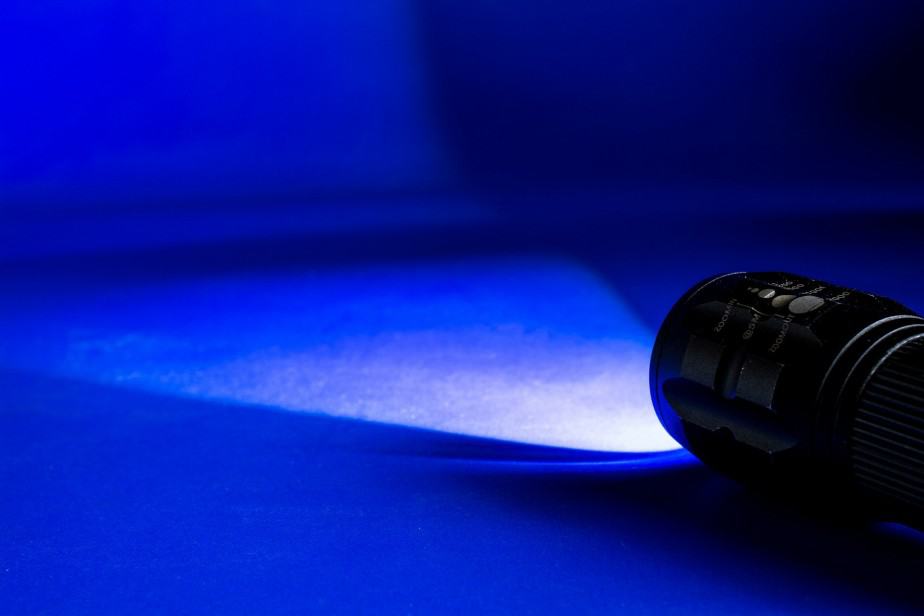
It won’t have the same settings or any specific considerations for those that work in the fire service. That is why it is important to find something geared towards the industry.

The first option for firefighters is to get something similar to a traditional flashlight, just with better performance. There are lots of hand-held models that have a similar approach to normal models but are a little more powerful, designed to be used with gloves or have some other benefits. 

These flashlights should be a familiar, effective piece of equipment that helps you out in dark situations. You can carry them in your pocket, shine them in front of you to create a path in the smoke and become more visible to other people.

Why are helmet lights such a good idea for firefighters?

One of the downsides of choosing a more traditional-looking flashlight is that you do have to hold on to it at all times to point it in the right direction (unless of course you attach it to your turnout gear). 

There is great freedom of movement and you can angle it in all directions, but this doesn’t work if you have your hands full. 

A helmet flashlight lets you mount a light to your head for a constant beam and hands-free operation. 

You can then enjoy that constant illumination as you work on tying knots, hauling equipment or performing first aid or other intricate tasks.

Important features when buying a flashlight for firefighters.

The strength of the beam.

The direction of the light is as important as the strength of the beam. Do you get a strong, thin beam that highlights the areas ahead of you or something a bit wider with less reach? 

Is there any way of changing the intensity of the light depending on the situation. High-strength beams are helpful but we don’t need them the whole time. 

It helps to save battery and create a better illumination where we can. Strong lights are great for finding a path through a structure but not necessary when dealing with victims.

The quality of the light source.

LED lights are the best approach because the lights are so much brighter, longer-lasting and more reliable. 

One thing to look out for when choosing a light is a model with green LEDs as well as white. Green LEDs are said to improve visibility and color perception when working in a smoke-filled environment. 

This can make a big difference when dealing with structures and rescuing victims. The quality of the LEDs is also important. At this professional level, there should be absolutely no risk of flickering or inconsistencies in the brightness of the LED.

The battery life.

What type of batteries are used and are they included with the flashlight? 

There are typically two choices here. You could opt for a model that takes normal, accessible AA batteries and keep swapping them out or go for something with a rechargeable battery. 

Each option has its pros and cons in this line of work. Sometimes you can find products that offer both so you can switch between them as needed. 

Either way, check the specification to learn more about the battery life. How long is it expected to last and how does this change between different light settings?

The casing.

What would happen if you dropped your flashlight on the ground in a building while struggling through? 

Nothing should happen because the best firefighter flashlights are impact resistant. There is also fire and heat resistance to remain intact and reliable no matter the situation. 

Check the materials and certification for a product before buying. 

Impact resistance also applies to the lens of the light. It should be clear and scratch-proof. While looking at the casing for the light, you might also consider the color. 

A brighter color is easier to locate in a gear bag or on the ground than some “tactical” black models. 

The build of the helmet – if you prefer the idea of a helmet light and know that this will be more effective, the same considerations apply. – fireproof materials in the heat of the fire, impact resistance.

Ease of use.

Ease of use is something that some flashlight brands can overlook. They don’t always consider the fact that we need to change the settings and attach helmet lights with gloves on. 

Small, intricate buttons aren’t going to work. Tool-free assembly for helmet lights is also essential so you can attach it with ease in difficult situations.

Additional settings

Once you find a series of flashlights that you know have the right beams and built to be of use to firefighters, you need to consider some additional settings that may be helpful. 

Some of the cheaper, more basic lights will have a single front-facing beam that is either on or off. Others will go further with settings with emergency flashes or different colored lights. 

Some will even have a blue tail light behind that lets other crew members locate you and follow you in the darkness. Just make sure that each setting is easy to operate in an emergency and that it doesn’t deplete the battery too much.

The cost.

Finally, you need to consider the cost of the flashlight. While you want something that will last and hold up to damage, you have to be prepared for the fact that you might lose the light. 

You might drop it into a space from which it can’t be retrieved, place it under too much pressure or see some other department walk off with it because it is so nice. 

Work within a realistic budget and don’t get something that is a waste if you lose the light. At the same time, don’t go too cheap and compromise on quality.

Streamlight 90540 Survivor LED Right Angle Flashlight

Sale
Streamlight 90540 Survivor LED Right Angle Flashlight, Orange - 175 Lumens
Streamlight 90540 Survivor LED Right Angle Flashlight, Orange – 175 Lumens
  • Rubber dome push button switch easy to use with gloves
  • Dual power source: Rechargeable NiCd battery; also accepts 4 “AA” alkaline batteries
  • C4 LED with high, low, emergency flash and moonlight modes
  • High for a super bright beam that pierces through smoke: 41,000 candela; 175 lumens; 405m beam distance; runs 3.5 hours (NiCd); runs 4 hours (alkaline)
  • Low for bright light and longer run time: 14,000 candela; 60 lumens; 237m beam distance; runs 13 hours (NiCd); runs 15 hours (alkaline)

Last update on 2020-09-15 / Affiliate links / Images from Amazon Product Advertising API

The first model that I want to discuss here is this one from Streamlight. This is the one that I would personally recommend if you want a “normal” type of flashlight because of the features and the quality of the beam.

This model doesn’t look exactly like your traditional flashlight, unlike some of the others below. Instead, it has a lot of details and design features where Streamlight has obviously considered the needs of firefighters. 

This includes the use of a rubber dome button for the power supply which is ideal for use with gloves. We also get a choice of power sources with either rechargeable NiCd or 4 AA batteries. 

This means that you can swap out the batteries as needed and choose the style that is most practical at that moment. If you haven’t had a chance to recharge the batteries then you have that safety net of the AA batteries.

Another thing that I like about this model is that there are different modes on the beam. You can switch from a high to low beam and use emergency flash and moonlight settings. 

There is also the promise that the light will pierce through the smoke with the 41,000 candela/175 lumens high beam. 

For comparison, the low light beam is 14,000 candela and 60 lumens. There is also an impact-resistant case that comes in bright orange or yellow so it is easy to find.

One downside to be aware of here is that the battery life drops considerably when using this on the higher beam. You do have the choice to make that switch between the settings as needed. 

However, the difference can be dramatic and could leave you without a light if you are not careful. You can get 3.5 hours of life on the NiCd battery and 4 hours on the alkaline when using the high beam. 

On the low beam, this increased to 13 hours and 15 hours respectively. It might be worth taking a spare battery because the high beam is so powerful and helpful to many firefighters.

Pros:

  • The user-friendly features for simple operation
  • The choice of batteries
  • The choice of beams and settings

Cons:

  • The drop in battery life on the high beam

Streamlight Vantage 180 X

Streamlight Vantage 180 X
  • 3-in-one light: Helmet Mounted, Right-Angle Light, Handheld Flashlight,180º rotating head (for right-angle use) and Turnout gear/radio strap attachment hook
  • Ultra-bright blue rear light for helmet mount use in heavy smoke or a white safety flood down light mode when head is rotated 90 degrees towards push button
  • Integrated Stainless Steel Clip is designed to be used with the “quick release” helmet bracket that easily detaches the light from the helmet for use as a handheld or pocket light. The light also features a clip to attach to turnout gear. Body: High-impact, “super-tough” nylon chemically-resistant engineering polymer for exceptional durability and a sure grip. Lens: Unbreakable poly-carbonate lens with a silicone anti-scratch coating. O-ring sealed
  • Vantage 180 X USB is a complete rechargeable system that includes an 18650 USB battery with an integrated USB charge port
  • Includes Helmet Bracket & 2 CR123A Lithium. Turnout gear attachment hook, head articulates 180-degree to aim the beam. Waterproof to 1M for 30 minutes, 1M impact resistance tested

Last update on 2020-09-15 / Affiliate links / Images from Amazon Product Advertising API

There is a clear USP with this Vantage 180 model that I can see the appeal of in the firefighting service. This product has a feature in the head of the light that means that it can adjust from the normal straight angle to a 180-degree angle. 

This means that you can point the light towards the floor or find ways of mounting it with the best coverage of light. 

This is the additional selling point here. 

Unlike some flashlights that are purely to be used by hand, this one is mountable with the gear attachment hook.

The light source on this flashlight is pretty good with both a strong white light and blue rear light. The promise is that this will improve visibility in smoke and most users are happy with the impact on their work.

Another benefit here is the fact that this is such a tough product. 

The flashlight is waterproof up to 1 meter and made from a “super tough” nylon that is designed to withstand high impacts. 

Therefore, if you drop it on-scene or it does come off your helmet, it shouldn’t incur any damage. 

Many firefighters will also appreciate the quick release system on the helmet mount for added ease of use. Those that don’t want to use it this way can use the steel pocket clip instead.

There is clearly a lot of versatility to this product for use in different situations. 

However, this does also mean that there is a lot to think about when using the different strength beams. 

For example, users need to be aware that the light is set to change when you adjust the angle. It starts off as the bright blue light for visibility at the normal angle and then switches to a white LED safety floodlight when at that 90-degree angle. 

This creates a downward facing beam to help you see around your feet. So, this could mean that you don’t get the light source you need when mounting the light a certain way on helmets or equipment.

Pros:

  • A 180-degree articulation for different angles
  • Easy to mount onto helmets if needed
  • A tough casing

Cons:

  • The change in light based on the angle of the device

Streamlight 88854 PolyTac LED Helmet Lightning Kit

Sale
Streamlight 88854 PolyTac LED Helmet Lightning Kit, Yellow - 275 Lumens
Streamlight 88854 PolyTac LED Helmet Lightning Kit, Yellow – 275 Lumens
  • Includes PolyTac LED flashlight, lithium batteries, Streamlight Helmet Mount and Rubber Helmet Strap
  • Flashlight case made from high impact, super tough nylon polymer for exceptional durability and a sure grip
  • Borofloat glass lens, o-ring sealed
  • C4 LED technology, impervious to shock with a 50,000 hour lifetime
  • Tailcap push button provides one handed momentary or constant on operation

Last update on 2020-09-15 / Affiliate links / Images from Amazon Product Advertising API

This next Streamlight model is always going to catch the eye of firefighters because of the words “helmet kit”. 

This means that there is a dedicated piece of equipment in the box that will allow us to attach this to our helmets for hands-free use. 

But, we still have the benefit of the more traditional approach because of the fairly classic design. This should mean that this a more versatile option for different jobs.

There is quite a lot in the box for the price as you get the flashlight with its LED bulb, the helmet mounting kit, a rubber helmet strap and the lithium batteries. 

The light source is pretty straightforward with a decent beam of light and the choice of either a momentary or constant operation. Another feature I like is the use of the one-handed push button power system for ease of use.

This is another flashlight that is meant to last. We have a case that is made from a high-impact nylon so it should hold up to being dropped on hard surfaces. 

The LED bulb is also meant to be shockproof for a more consistent stream of light. There is also the tough lens and strong seals around it so everything is secure at all times.

There are two issues with this light that let it down a little compared to some of the other lights in this guide. 

The first is the fact that it isn’t that easy to mount the torch to a helmet. Some of these adaptable models clip onto a helmet with ease to provide that secure light source. 

Here it clips to the side and can unbalance a helmet a little if users aren’t careful. There are also users that say that the light isn’t as bright as they had hoped.

Pros:

  • The additional features to make this a more versatile option than some standard flashlights
  • The user-friendly operation with the design of the power button
  • The shock proofing across the different components

Cons:

  • Not as easy to mount to a helmet as some other flashlights

Streamlight 68201 4AA ProPolymer LED Flashlight with White LEDs

Streamlight 68201 4AA ProPolymer LED Flashlight with White LEDs, Yellow - 67 Lumens
Streamlight 68201 4AA ProPolymer LED Flashlight with White LEDs, Yellow – 67 Lumens
  • Virtually indestructible, non-conductive polymer with a scratch-resistant face-cap; impact & shock-resistant
  • Lens: Unbreakable polycarbonate with scratch-resistant coating
  • Clamps on above or below helmet brim; Bulb: LED;
  • Output (lumens): 115; Power Source: CR123A Lithium, x 2; Switch: Dual-Direction On/Off Switch
  • Finish: Matte Black

Last update on 2020-09-15 / Affiliate links / Images from Amazon Product Advertising API

There are some nice features on this flashlight that are familiar after looking at the products above. 

There are some user-friendly features like the dual-direction switch, the AA batteries and the light weight. 

The battery life is said to be 155 hours on one set, but this might be optimistic. Just make sure to choose the version that actually has the batteries included in the box. 

The switch should be easier to use for those that have struggled with flashlights that have tiny buttons on them. Sliding switches are so much easier in gloves!

There is also the promise of a tough build with the impact resistant non-conductive materials and scratch-proof lens coating. What this should mean is that you get a product that will be safe to use in almost any situation. 

There is also a choice of modes where you can have a constant or blinking stream of light as required. 

The light source is only 67 lumen but there is the promise of a super-bright LED that lasts for 100,000 hours before it needs to be replaced.

There are some features here where this does seem to be aimed at our market as there are additional clamps in the box so that we can attach this light to our helmets if we want to.

There are users that say that the beam is strong and reliable. However, I suspect that many feel that it is good for the price paid and might notice a weakness and lack of function after paying out for something a bit more intense. 

This is a cheap model that will do a decent job temporarily in some situations. It isn’t the ideal choice for regular use in emergencies.

Pros:

  • The number of protective features to ensure that users get a tough flashlight
  • The promise of a long battery life
  • Different settings on the light beam

Cons:

  • Weaker than some of the brighter, more robust lights out there.

Streamlight 69140 Vantage LED Tactical Helmet Mounted Flashlight

Sale
Streamlight 69140 Vantage LED Tactical Helmet Mounted Flashlight, Black
  • Rotates 360 degrees on clamp; Bright blue tail light LED
  • On/off switch operates with heavy gloves on; Attach or remove in seconds with no tools
  • Clamps on above or below helmet brim; Bulb: LED; Finish: Matte Black
  • Output (lumens): 115; Power Source: CR123A Lithium, x 2; Switch: Dual-Direction On/Off Switch

Last update on 2020-09-15 / Affiliate links / Images from Amazon Product Advertising API

The first of these top firefighter helmet flashlights is the one that I personally recommend and also happens to be an Amazon’s Choice product. 

This model stands out because it looks like a rugged, professional model right from the start. There is a traditional looking flashlight that mounts onto a helmet with a large clamp system. 

It will stay in place and is tough enough to take a knock while handling a fire. This is where this sort of light is better than some of the clip-on flashlights above. You can put this central on the brim and not weigh down the helmet on one side or risk an accident with the light.

The light is bright LED light from a Lithium power source for bright illumination on-scene. There is also a blue tail light. This “tactical” model looks the part but also has the added advantages of some helpful features for users. 

This includes the simple, tool-free process of attaching it to the helmet and the fact that you can press all the buttons with gloves on.

Another interesting feature of this helmet lamp is the way that it rotates on the clamp 360 degrees. 

This improves visibility when you don’t have the flexibility to move around. It may also help those working behind you. The small profile helps too as it is less likely to be knocked out of place or off the helmet entirely.

Even though I have included this as my recommended product, I have to admit that it is not perfect. There are other helmet lights that have light sources and LED colors that may prove to be more effective in a dark environment or over long distances. 

Some of the other top helmet flashlights for firefighters are a little cheaper too. However, it is that balance of the user-friendly design and structural integrity that allows it to take the top position.

Pros:

  • Great visibility with the white light and the blue tail light
  • The chance to rotate the light 360 degrees
  • Easy to mount onto the helmet. 

Cons:

  • The use of LEDs isn’t as impressive as some of the helmet lights

Streamlight Vantage II Helmet Light

Streamlight 69331 Vantage II 350 Lumen Helmet Mount Flashlight
  • Attaches securely to helmet, above or below rim in seconds; large easy off switch located on rear of light
  • High: 350 Lumens, low; 135 lumens
  • Safe off feature prevents accidental activation, saves batteries; Uses one CR123A lithium battery, included
  • Meets requirements of NFPA 1971-56 (2013)
  • IPX 7 waterproof to 1M for 30 minutes; 1M impact resistance tested

Last update on 2020-09-15 / Affiliate links / Images from Amazon Product Advertising API

On first impressions, this helmet flashlight looks very similar to the one above. There aren’t too many differences here between the Tactical model I recommended and this one. There are still lots of users that appreciate the design of this one where it has the same features. 

For example, the design is just as slim so there is the same small profile for ease of use in tight spots. There is also the same approach to the style of the buttons and the use of fire-resistant and impact resistant materials.

A positive thing about this flashlight is that, like the flashlight I use on my helmet, there are two different beams to choose from. 

You can have a high beam of 3500 candela and 350 lumens or a low one of 1700 candela and 135 lumens. 

Again, there is a notable difference between the two. 

The high beam is great for a longer reach of 118m. However, the battery life does drop to 2.25hours on this mode. The safety feature for accidental activation can help here. There is also the blue tail light to help those behind you.

However, there are two factors here that mean that it doesn’t quite match up to the Tactical model. 

The first is the light source itself. This one uses a bright light with strong peripheral visibility to illuminate the area around firefighters. Many like the brightness and the settings and get on well with it. But, it doesn’t have the same intensity. It also doesn’t have that 360 degree rotation that was so beneficial in the previous model. 

There are also some users that have struggled with the size of the screw on the clamp and the casing for the battery. This might explain why the screw on the Tactical model’s clamp is so large. 

This doesn’t mean that this is a bad product. 

Lots of users are able to work with ease and get the illumination they need. It just lacks some of the benefits.

Pros:

  • A choice of beams for high and low settings
  • A safety feature to improve the battery life
  • The impact and fire resistance of the casing

Cons:

  • The clamp on this one isn’t as good as the model above

FoxFury 420-L06 Command+ LoPro

FoxFury 420-L06 Command+ LoPro White/Green LED Fire and Impact Resistant Waterproof Helmet Light, 100 Lumens
  • 100 lumen helmet light runs up to 14 hours on four AA batteries. 3 modes: high, medium and low to provide the optimal light intensity
  • Constructed from high quality nylon and polycarbonate this light is fire resistant up to 300F/149C (NFPA 1971-8.6 (2013)), impact resistant and waterproof to 3 meters
  • The wide angle beam provides panoramic lighting with a wider field of view compared to traditional headlamp’s single beam. White and green LEDs offers improved depth perception, color rendition and smoke cutting ability (as compared to white light only)
  • Ultra-slim helmet light designed for use on firefighter helmets that utilize external face shields. Enables most external 4” and 6” face shields to be raised and lowered without interference. Not compatible with European (Gallet) style helmets
  • Also features a highly visible red flashing LED in the rear battery pack that can be seen from over 1 mile away for added safety

Last update on 2020-09-15 / Affiliate links / Images from Amazon Product Advertising API

There are two things that stand out about this model from FoxFury. 

The first is that there are both white and green LED lights within the light source for improved visibility and perception of color. This should mean that firefighters can access victims and handle fires with greater ease. 

Then there is the fire-resistant construction of the helmet. This model is designed to be tough with the resistance to the heat and damage of the flames and impact resistance. 

This, along with the 14 hour battery life, increases the reliability of the helmet light in long rescue missions in dangerous situations.

The design is also nice as the slim light doesn’t obstruct the movement of the face shield in any way. 

Additional features here include the flashing red LED light with a visibility range of 1 mile – this can help other firefighters or victims locate you in dark conditions. 

The version of this helmet lamp that I have mentioned here is pretty affordable at just under $100.

There is another version that’s more expensive that has a rechargeable system instead of the use of AA batteries. 

You might feel that this is worth the extra cost as it removes the need to have AA batteries on hand. On the other hand, you might feel that rechargeable models are too much hassle.

Most user comments are favorable with many users impressed with the light source and the ease of use of this lighter model. 

However, some note that the batteries can seem a little loose and the power button is a bit small. 

This is a shame when we have seen what can be done with those larger, rubber-coated buttons that are so perfect for use with our gloves. With some extra thought and attention to detail, this could be a better option.

Pros:

  • The use of the green LEDs to cut through the smoke
  • The heat and impact resistance of the casing
  • A long battery life

Cons:

  • Not as user-friendly in its design as some of the products here.

How to choose the best flashlight for firefighters 

One thing that you will notice with these flashlights is that while the majority of the best models come from the same brand, there are variations in quality in function across the range. 

You can find some cheap and basic Streamlight products that are fine in some situations but don’t match up to the top brands. Pay a little more for something with a choice of settings or greater ease of use and you can have a better experience while out on calls.

I believe that my personal recommendations for the flashlight and helmet light are the best choices because of their features and reliability. 

But, you may have other priorities for your duties. 

As long as the flashlight is powerful enough for your needs, easy to use and durable enough to handle fires and damage, you should be OK. Take your time to compare the different options available within your budget.

Looking for more gear guides? Checkout some of my other guides here…

Best Multi Tools for Firefighters

5 Great Watches for EMTs and Firefighters

Best Boots for Firefighters

from FirefighterNOW https://firefighternow.com/7-best-flashlights-helmet-lights-for-firefighters/

From https://catherinelee4.blogspot.com/2020/09/7-best-flashlights-helmet-lights-for.html

source https://catherinelee4.wordpress.com/2020/09/15/7-best-flashlights-helmet-lights-for-firefighters/

Saturday, 18 July 2020

Why Do Firefighters Die?

We all know that firefighters have one of the most dangerous jobs in the world, but what are the common causes of death for firefighters?

The general public isn’t always aware of why firefighters die or just how many deaths there are each year. I want to explain some of the causes of firefighter deaths to give a better understanding of what we go through in the fire service.

There isn’t a simple answer to why firefighters die. You might expect most deaths to relate to fire, such as smoke inhalation, burns, or entrapment in buildings. 

This is actually only part of the story. we are at great risk from other hazards in more specialist incidents. There are also risks when traveling to and from emergencies and while training. 

Finally, it’s important we don’t overlook the mental trauma and ongoing health issues that come with the job.

So why do firefighters die?

Here are some recent figures from the NFPA:

  • In 2018, 39.1% of the 64 that died lost their lives did so at the fire ground. This figure was 27.1% out of 48 in 2019.
  • There were 10 fatalities returning from the scene in 2018 and 9 in 2019
  • There were 5 fatalities at non-fire calls in 2018 and 9 in 2019
  • 11 died in training in 2018 and 5 in 2019
  • The remaining 13 and 12 cases for 2018 and 2019 respectively fall under other categories.
  • Rapid-fire progress and exposure to heat on the scene are key factors with 4 deaths from burns and 2 from smoke inhalation in 2019
  • 26 of the 48 deaths in 2019 were recorded as overexertion/stress/medical. 22 fatalities were sudden cardiac death and 14 internal trauma and crushing.
  • Accidents on the road are also common. There were 4 crashes and 4 struck by vehicles in 2019.
  • Unstable buildings are also a major hazard. There was 1 structural collapse fatality in 2019.
  • Electrocution is a risk too when dealing with incidents around power lines and exposed wires. There was 1 such death in 2019.
  • Firefighters are at risk when entering the water too. 1 drowned in 2018.
  • Firefighters responding to scenes of criminal activity or distressed victims could become victims of assault. There was one death by gunshot in 2019.
  • Suicide is also a risk factor for firefighter because of the trauma and stress of the job. There was 1 recorded death by suicide in 2019.

When we talk about causes of death in the fire service, it is important to remember that there are many situations where firefighters are at risk. Accidents can happen anyway and there are other risk factors to consider more than just fire and oxygen deficiency. 

Let’s take a look at some of these causes of death in more detail. In some cases, the fatalities are rare and the risks are minimal. In others, the risk is much greater.

Firefighter deaths on the fire ground.

In 2018, 39.1% of the 64 that died lost their lives did so on the fire ground. This figure was 27.1% out of 48 in 2019. 

We rush to the scene of a fire to save residents and workers from harm by burning and asphyxiation from the smoke. 

But, in racing into that fire, we put ourselves at risk. We might have plenty of protective gear and special equipment to keep us safe. But, there is always a chance that something will go wrong.

Firefighter deaths in wildfires.

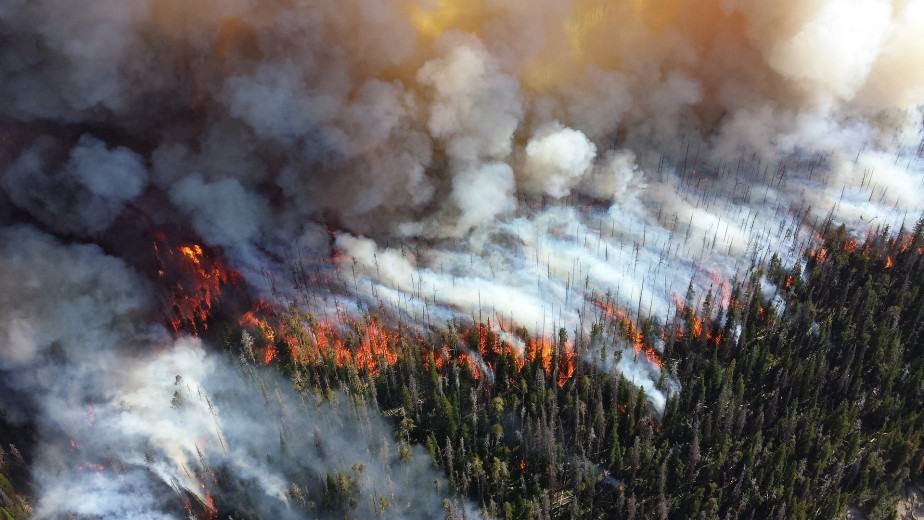
We also have to consider the risks to life at wildland fires, especially as these fires become much more frequent. Almost half of the deaths recorded on the fire ground in 2018 were from wildfires. 

The scenes in California and other west coast states show how deadly these fires can be. 

Crews can become cut off from aid by fires or even caught up in freak fire tornadoes. There are also the risks that come from other threats like the equipment used and falling trees. 

It is a completely different set of skills necessary to combat wildfires, which is why wildfire specialists need such expert training.

Firefighter deaths by fire and smoke.

Rapid-fire progress and exposure to heat on scene are key contributors to firefighter fatalities, with 4 deaths from burns and 2 from smoke inhalation in 2019. 

These numbers are low thanks to the equipment used and the training required. Most firefighters will get out of the fire before they run out of air or have adequate protection from burns. 

But, there are cases where this isn’t possible.

We also have to consider the risk of explosions at the scene. We can control a fire and minimize its spread when we assess a scene. 

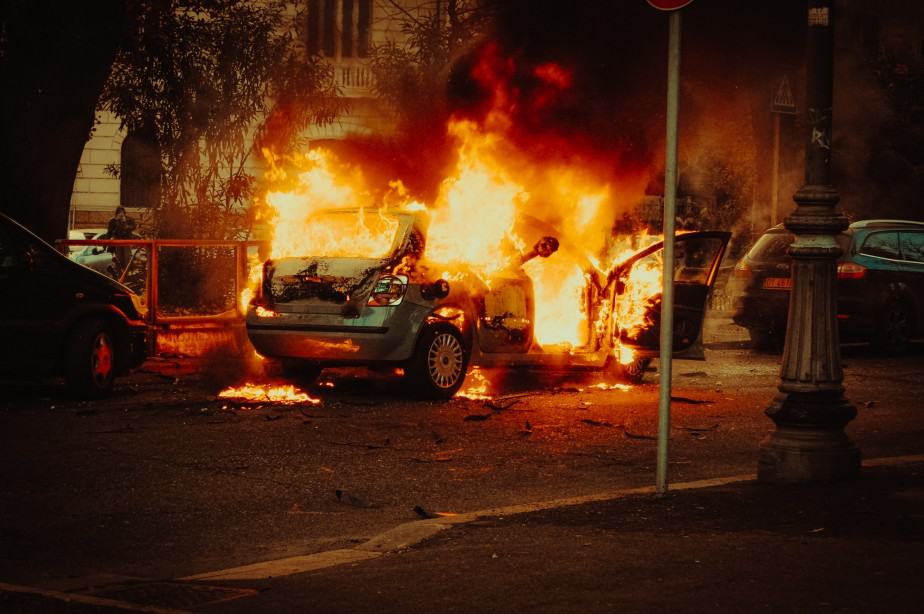
But, there may be additional risks from combustible elements. Fuel tanks on vehicles are a major problem when dealing with roadside incidents and car fires. 

Gas leaks within properties may lead to both a risk of explosion and a risk of poisoning. Then there are the combustible gases and aerosols found in chemical plants and warehouses.

Firefighter deaths while en-route and returning from the scene.

While it is easy to assume that fatalities will occur on the job at a fire ground or other major incident, there are also cases of firefighter fatalities while en route. 

There were 10 fatalities returning from the scene in 2018 and 9 in 2019. Collisions with other vehicles can occur as we race to a call. 

Trucks can swerve and crash on tight corners and the high speed makes the crash even worse. Those that go out on calls in bad weather also have to consider the driving conditions.

Firefighter deaths on the road.

Firefighter deaths on the road aren’t limited to collisions in fire trucks. Much like police are concerned with distracted drivers, they present a major hazard to firefighters a well.  

There were 4 crashes in 2019 but also 4 people struck by vehicles. It could simply be a car passing the scene of an incident on a busy motorway. There was even a case of one firefighter falling in front of a truck.

Firefighter deaths during training.

Unfortunately, there will also be occasions where firefighters die during training. This is something that all fire training facilities will do their best to avoid at all costs. 

Skilled instructors and teachers should provide all the best equipment and instructions to those in their care, whatever the training exercise. However, we can’t always prepare for every situation. Firefighter trainee deaths can occur through

  • Freak accidents in drills or with equipment
  • Trainees ignoring procedure or instruction because they think they know better
  • Medical emergencies

It is reported that 11 probationary firefighters died in 2018 and 5 in 2019. 

Further stats from the United States Fire Administration show that 11% of deaths between 2001 and 2013 were training related. 50% of those were heart attacks. 

This may simply be a case of trainees pushing themselves too hard or not being able to deal with the physical stress of the job. Almost one-third died from traumatic injury.

Every death in these circumstances is tragic and it is important that instructors do all they can to reduce the risk. 

But, it is also crucial that new recruits understand the risks when signing up. They need to know precisely how tough it can get and how to act in dangerous situations if they are to head out on calls.

Firefighter deaths by medical trauma or cardiac death.

Continuing with heart attacks and traumatic injury, let’s consider these risks to life out on calls. Just because we have all the right training in place to handle a serious call, that doesn’t mean we are immune from risk. 

More than half (26 of the 48) deaths in 2019 were recorded as overexertion/stress/medical. This means that it wasn’t necessarily the fire or the accident that killed them. 

Physical stress during long and difficult jobs may take its toll. Over this period, 22 fatalities were sudden cardiac death and 14 internal trauma and crushing.

There are also the medical deaths brought on by incidents and calls where crew members either die on-site from complications or at a later date. 

For example, there are cases of firefighters collapsing at the station with no apparent cause. This could be a cardiac issue, aneurysm, or any other complications. 

>>Firefighters with asthma can join the fire service, but they must know that they put themselves in great danger by doing so. There was also a case in 2018 of pneumonia following a long job at a wildland fire.

Firefighter deaths by structural collapse.

Unstable buildings are also a major hazard. There was 1 structural collapse fatality in 2019. 

When you consider the risks involved, it is surprising there weren’t more. 

In 2018, there were 13 deaths at structure fires and 6 of those were due to collapse. Fires in abandoned buildings or buildings in disrepair will lead to risks of collapse due to unstable stairways and floors. 

Parts of the building could crumble away and it may be difficult to predict the weak points. There are also risks in buildings currently under construction and in large apartment blocks.

Some firefighters have fallen through floors into basements. Others have had ceilings collapse on them. 

The falls and the impact of the rubble can cause fatal injuries. It may also lead to entrapment in burning buildings, which in turn could lead to death by fire or smoke inhalation.

Firefighter deaths by electrocution.

Electrocution is a risk too when dealing with incidents around power lines and exposed wires. There was 1 such death in 2019 that was the result of accidental electrocution due to contact with downed power lines. 

The firefighter in question responded to a crash involving a car, downed lines, and a storm. It was a freak accident. 

With that said, electrocution is a big risk when dealing with crash sites, accidents, and fires in unstable buildings. We have to assume all downed power lines are live and watch out for all power lines when using aerial equipment around a building. 

While there may only have been one recorded death in this manner for this period, we can’t underplay the seriousness of the risk of electrocution. Those that come into contact with live wires are unlikely to survive.

Firefighter deaths by drowning.

The risk of drowning will significantly increase depending on your location and specialty skills. Some firefighters may never have to go near water on the job. Others that work in areas prone to flooding or waterfront locations may deal with more water rescues and marine firefighting. 

Water rescues can be highly dangerous, especially when visibility is poor or water temperatures are low. 

All firefighters in these situations should have the training and equipment necessary to handle these calls. But, freak accidents can still happen.

Firefighter deaths at the hands of others.

Firefighters responding to scenes of criminal activity or distressed victims could become victims of assault and violence. There was one death by gunshot in 2019 cited in these NFPA stats. 

He was shot responding to a medical call. You might wonder why a firefighter would ever come under attack while doing their job. 

Why would someone lash out against the people trying to help them? Well, that’s an excellent question and is totally inexcusable.

Assaults against first responders are not that uncommon and firefighters are likely to arrive first at the scene of an incident or accident. 

There is no guarantee that they will be greeted by calm, grateful patients. 

Cases of aggravated assault, stabbings, shootings, and other violent incidents could still pose a threat if the attacker is on-scene or the victim wants to get away from law enforcement. 

Then there are the drunk drivers that want to flee the scene or others too proud to accept help. 

Firefighter deaths by suicide.

Suicide is also a risk factor for firefighter because of the trauma and stress of the job. There was 1 recorded death by suicide in 2019 when you look at those stats from the NFPA. 

But, this doesn’t tell the whole story. 

When you look at another report from the US Fire Administration, you see that they mention 103 reported firefighter suicides in 2017 alone. 

They go on to suggest that only 40% are actually recorded. Therefore, this is a much bigger problem than the public is often led to believe.

Why are firefighters at risk of suicide?

We have to make a lot of difficult decisions in our line of work and see things that you wouldn’t imagine. 

It is easy to shine a spotlight on heroic firefighters that save people from disasters and help out in a crisis. But, there are always those cases where there was nothing we could do. Or, cases where we question our choices. 

Some firefighters that struggle to receive adequate mental health support may not work through that trauma. Stress and PTSD can overwhelm them.

How many firefighter deaths are due to negligence?

This is an important question that we need to consider carefully on the force. We can’t attribute every death to bad luck or freak accidents if there is someone else to blame. 

All crew members risk their lives following orders and strategies from those in command. There is always a chance that these orders are misguided. 

The wrong decision, a lack of preparation, or miscommunication can make the difference between life and death.

While it’s easy to be an armchair quarterback and say what you would have done in a given situation, being an officer on the scene of an emergency is highly stressful and a very difficult task.

Then there is the personal responsibility of all firefighters to watch out for themselves and those around them. 

This means being alert to risks, handling equipment with care, and always using the appropriate safety equipment. New recruits that get complacent could end up paying the price for it.

Major incidents on a catastrophic scale increase the risk of fatalities.

The statistics and factors above relate to the traumas and risks that affect firefighters in their normal line of duty. They don’t take into account any major disasters and incidents that result in multiple fatalities. 

Of course, the most infamous incident in recent memory is the attack at the World Trade Center on September 11th, 2001. 

All you have to do is say 9/11 and everyone knows what you are talking about. This was a tragic day for the city of New York and the emergency services took the worst of it. 343 firefighters died that day. This is a shocking figure. 

Other major incidents of note include the 78 deaths in the Great Fire of 1910 and the 21 deaths in the Chicago Union Stockyards fire.

However, there are other shocking statistics to consider about that horrific event. 

Around 1 in 8 firefighters that survived the scene at Ground zero went on to develop cancer. The carcinogens from the dust inhaled from the debris gradually set to work and gave hundreds of emergency service personnel the disease. 

In fact, it is now thought that more have died since from cancer then died on the day itself. This leads to my final point about why firefighters die. Sometimes our work and actions catch up to us in retirement.

Why do firefighters get cancer?

I’ve written an entire article on >>cancer in the fire service which you can read by clicking the link.  

The high number of cases of cancer in the 9/11 survivors is alarming. But, it isn’t rare for firefighters to develop cancer in their lifetime. 

It is actually the leading cause of off-duty death, with the International Association of Firefighters claiming that 60% of those in the fire service will die this way. 

The simple reason for this is that firefighters are exposed to more carcinogens in their line of work than most other professions. These dangerous particles are released into the air when toxic materials burn. Protective equipment will help to limit exposure, but it can only do so much.

The range of cancers that develop is wide, with everything from lung and prostate cancer to rare blood and kidney disorders. Another alarming factor is that rates are rising. 

There are concerns that toxic materials in consumer goods, which burn up in household fires, are to blame.

What are the other risks to firefighters after retirement?

Cancer isn’t the only health risk to retired firefighters. The mental health issues mentioned above regarding suicide don’t go away when we retire. 

It is easy for depression and PTSD to continue as we get older. The transition into retirement can also be jarring for those used to being in command. There are also issues with alcohol abuse and retired firefighters, sometimes as a direct response to mental health issues.

Another factor that affects retired firefighters, and could actually end up as a cause of death is heart disease. The combination of the toxic chemicals in the smoke and the ongoing stress and overexertion can take its toll. A study by the National Volunteer fire Council in 2013 showed that 73% of responders were more concerned about dying of a heart attack than dying on call.

Firefighter deaths are a tragedy that comes with the territory.

When we talk about firefighter deaths and risks to life, these stats highlight the unfortunate cases where crew members lost their lives. But, there are also many more that are lucky and make it out alive. There are plenty of stories about injuries and near misses too.

In short, the question of why firefighters die isn’t a simple one to answer. 

While there will be many fatalities related to the fire ground and its many risk factors, there are other dangers out there. 

The training ground and journeys to the calls are also hazardous. Injuries at the scene, smoke inhalation, explosions, and medical incidents will all occur due to the dangers and unpredictable nature of many calls. 

But, we can’t overlook the cases of drowning, electrocution, and other freak accidents. 

Finally, we also need to talk about the risks of assault on firefighters and suicide and ensure that personnel gets the support they need in these matters.

Sources:

https://www.nfpa.org/News-and-Research/Data-research-and-tools/Emergency-Responders/Firefighter-fatalities-in-the-United-States/Firefighter-deaths-by-type-of-duty

https://www.usfa.fema.gov/operations/infograms/080819.html

https://www.nfpa.org/News-and-Research/Publications-and-media/NFPA-Journal/2019/July-August-2019/Features/Firefighter-Fatalities

from FirefighterNOW https://firefighternow.com/why-do-firefighters-die/

From https://catherinelee4.blogspot.com/2020/07/why-do-firefighters-die.html

source https://catherinelee4.wordpress.com/2020/07/18/why-do-firefighters-die/

Wednesday, 15 July 2020

10 Reasons Firefighters Are Important to the Community

As a firefighter, I have the privilege of serving my community and being someone that residents can depend upon. But, a firefighter’s role means a lot more than just putting out fires. 

So, why are firefighters so important to the community?

Firefighters are dependable members of the community who assist in a wider range of situations than you might expect. We are rescuers, community leaders, social support, and role models. We can be there to help in all kinds of emergency and non-emergency situations. 

This often means providing guidance and community support when the public may consider us to be off-duty. 

We are always ready to respond to major fires, incidents, and accidents when the call comes in, but will also work with schools, care homes, and all kinds of other places where we can.

Why are firefighters so valuable to the community?

Firefighters are important members of the community because they are trained to deal with all kinds of needs and all kinds of people.

  1.  Firefighters will handle residential, commercial and wildfires
  1. Firefighters can provide medical assistance as EMTs
  1. Firefighters can assist at the scene of road traffic accidents
  1.  Firefighters can deal with hazardous materials
  1. Firefighters are stationed in some niche departments for specialist services
  1. Firefighters can enforce fire codes and preventative measures in commercial buildings
  1. Firefighters can inspire the next generation at fun open days
  1. Firefighters can give safety talks at schools and nursing homes
  1. Firefighters can help animals in need too (yes we get called for all sorts of animals problems)
  1. Firefighters can create a two-way relationship with the community

Let’s learn a little more about the 10 ways that firefighters are so important to the community.

1) Firefighters will handle residential, commercial, and wild fires.

It might sound a little obvious to say that we help the community by putting out fires, but this is still one of our most important jobs. 

We have the training and equipment ready to tackle all kinds of fires – from small scale kitchen fires to major blazes in office blocks or apartment buildings. Everyone must have confidence in us to show up at your address as soon as possible to protect lives and property.

Residential fires are a common cause of emergency calls. Fires can occur in homes through accidents with candles and flammable objects, faulty wiring, malfunctioning appliances, lightning strikes, and more. 

This is why we must prove ourselves to be strong, friendly community leaders. The same is true for any commercial building fires, such as office blocks, restaurants, and stores.

Can firefighters tackle wildfires too?

Wildland fires are another problem that we have to deal with and will require special training. This is more common in rural areas and hotter regions where there is a greater risk of wildland fire in forests or grasslands. 

Wildfires are caused by dry weather but also by arson and accidents with campfires and cigarettes. 

Experienced wildland firefighters trained for these situations can head out and manage the fire effectively. In areas like California, this training is more essential than ever as wildfires become more frequent.

Our role as community leaders here is as much about creating a best plan for tackling a fire as it is about preventing them. We all know Smokey’s statement “only you can prevent wildfires”. Well, it is up to fire services to ensure that this message gets across.

2) Firefighters can provide medical assistance as EMTs and Paramedics

Firefighters may be known best as those that literally fight fires, but that isn’t what the majority of calls are for. 

Instead, most calls are for medical emergencies. 

We can act as first responders in times of crisis to reach vulnerable patients. This also means that we can provide patient treatment and transfer as needed so they can receive treatment in the hospital. 

So, it’s not unusual to see a fire truck at the scene of a medical emergency.

Are all firemen EMTs or Paramedics?

Usually, but not always. There is a requirement for many departments that anyone who wants to work as a firefighter must undergo EMT training (feel free to click the link to find EMT/Medic training near you).

We can either have this prior to our application or some departments will provide training on the job. 

However, some very large or very small departments or volunteer departments may not require any sort of medical training as they don’t provide any medical assistance.

EMT training lets us handle medical emergencies that don’t require invasive treatment. This could be as simple as tending to a wound or a burn – both of which are essential skills on the fire ground – or administer CPR.

Most firemen are EMTs but not all firemen are paramedics. 

There is a distinction based on our training and experience which determines the types of procedures we can handle. EMTs can act as first responders to assess a scene and deal with those non-invasive issues. 

But, we may need to call in a paramedic firefighter for assistance. Either way, you can be sure that you are in safe hands.

3) Firefighters can assist at the scene of road traffic accidents.

Because we can provide both firefighting services and medical assistance, we often come and deal with road accidents in our district. 

The NFPA offers some interesting data on this. The stats may be from 2014, but they give a good idea of what we do.

  • In 2014, US fire departments dealt with 4,461,000 incidents on roads.
  • 27% of those were on highways. This isn’t a big surprise given the volume of traffic and speed of the vehicles
  • A further 24% occurred on residential roads.
  • 67% of calls were for EMS and rescues. This includes those trapped in vehicles, major trauma from a collision, or cardiac arrests.
  • Just 6% were car fires that weren’t related to EMS calls

Fire crews have the equipment necessary to tackle fires in vehicles and to extract victims from overturned cars. 

Sometimes there is no way to safely retrieve someone with suspected spinal fractures or head injuries unless we take the roof of the car off or cut the door off. 

Our EMS and paramedic training also allows us to handle medical incidents at the scene. We can work on patients in cardiac arrest, treat burns and wounds for the best prognosis, and much more. This range of skills gives victims the best chance of survival.

Furthermore, we have the organizational skills in scene management to ensure that we handle incidents effectively and efficiently. 

We can work with the police and ambulance crews to prioritize cases in multiple-car incidents, and we can work to evacuate tunnels and support other drivers and bystanders.

4) Firefighters can deal with hazardous materials

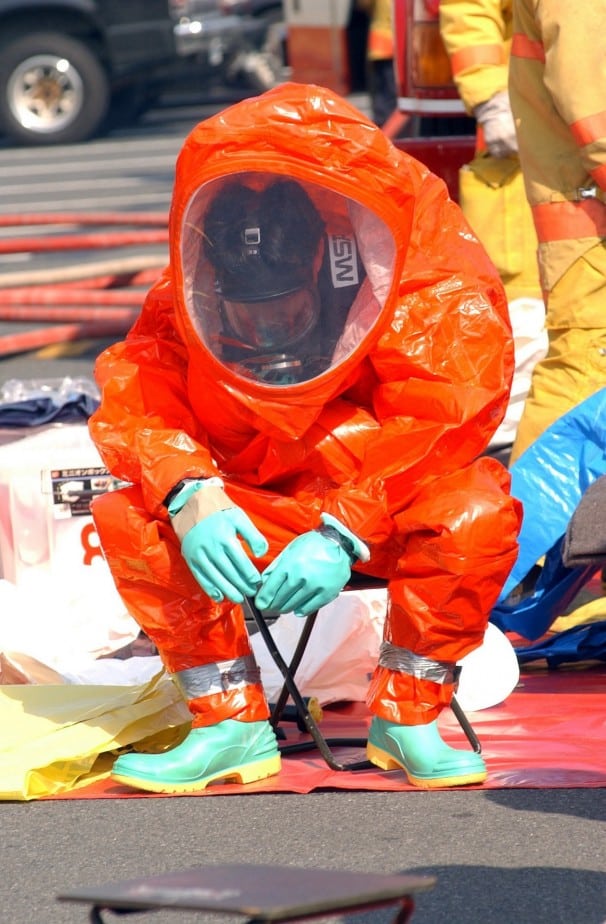
Hazmat training is an aspect of firefighting that the public usually doesn’t know much about. But, if there is a major incident involving hazardous materials then someone needs to be able to control the scene and mitigate risk. 

Hazardous materials could be anything from chemical spills from trucks to radioactive hazards from power plants, biological waste, or even chemical weapons. 

Experienced hazmat techs can use protective equipment to access the situation, strategize the best approach, and contain the release.

Firefighters need to be prepared for these operations because we never know what we will encounter on a call. 

For example, an initial call out to a truck crash might not mention that the truck contains dangerous materials or is leaking a lot of fuel. 

If we don’t handle the spill correctly, it could lead to an explosion or endanger lives by way of lethal vapors. We also have to consider the risks in warehouses and plants with high quantities of household chemicals like bleach. 

Also, you might be surprised at the number of incidents we are called for involving illegal drug labs.

5) Firefighters are trained for unique situations.

Because we have all of this specialist training and the skills to handle many different situations, you will find specialist departments in various locations. 

This ability to diversify is essential for providing the best possible care and support in a community. 

For example, areas based by water – either with lakefronts or coastal areas – need teams with experience in water rescue and marine fire services. 

If that area has a major port, you will probably find there is a crew on hand to handle any accidents, fires or chemical spills in the vicinity. 

The same is true for any airports. 

It is safer to have engines and appropriate equipment on-site in case of any major fires in the buildings or aircraft crashes.

Teams in more rural areas may have departments that specialize in wildfire, search and rescue, and rope access. Firefighters have the opportunity to learn lots of new skills on the job so that they can handle anything thrown at them. 

This also includes disaster relief efforts in cases of storm damage and flooding. The job really is more varied than you realize when you first consider becoming a firefighter as a kid. 

It isn’t all rushing out on fire trucks to put out burning buildings.

6) Firefighters can protect buildings through fire codes and regulations.

A lot of the work that goes on in a fire department is about prevention rather than suppression. We don’t want to have to go out and fight fires every day when we could educate people on how to avoid them instead. 

Part of this response involves dealing with fire codes and regulations. There are more than 300 fire standards and consensus codes used by the NFPA. 

It is up to local authorities and fire marshals to ensure that building owners comply with them. If we don’t, we could put people at risk.

These codes and standards relate to the fire equipment contained in a building, both in their effectiveness and their maintenance. This means separate codes for sprinkler systems, fire alarms, foam systems, and other extinguishers. 

There are also regulations on the storage of hazardous materials in a building, such as fuel in a garage, dry cleaning materials, or other flammable or aerosol products. 

In addition, there are all the codes on building occupancy, escape routes, ventilation, and more.

This is something that we don’t really think about unless we are personally responsible for the upkeep of a building or business. 

We can walk past fire extinguishers and under smoke detectors and forget that someone is responsible for ensuring they work and are maintained regularly.

7) Firefighters can inspire the next generation during public events

Firefighters are great role models for the next generation. Kids can learn a lot from us, not only about how to stay safe but as responsible members of their community. 

That is why it is so important that we take the time to engage with children and the community in an educational setting. 

Options will vary between stations and departments. But, it isn’t uncommon to see fire crews attending schools for special visits or opening up the station for tours. You may also find that a station will arrange a fire truck drive by for birthday celebrations.

School visits are a great way for us to teach important information to large groups of children in a safe, familiar environment. 

This is ideal for younger children learning the basics of fire safety and prevention. They have the support of their peers and teachers while we talk to them about what they should do in an emergency. 

These trips also offer a chance for kids to see us away from the flashing lights and emergencies. Children may associate us with scary situations, so it is nice to remind them that we are friendly, normal people underneath it all.

Can I take my child to a fire station?

Another option for kids is to come and see the fire station and learn more there. This is a great idea for smaller groups of responsible kids. 

Schools can send classes to learn more about the equipment, fire trucks, and the procedures in the station. This could be helpful for pre-teens that are interested in fire prevention as a possible career. 

The tour gives a more realistic insight into what it means to be a firefighter.

Depending on the facilities, children may also get to take part in some hands-on activities. 

This could include a set-up in a smoke-filled room or a burn trainer where they need to use what they learned to get out safely. It is extreme, but it is the sort of immersive experience that stays with them.

Can children become fire cadets?

Many fire departments will have a fire cadet program where teenagers can gain skills and training. This is a great stepping stone into the world of professional fire service. Cadets can learn some basic skills related to firefighting and fire science. 

They also get to build relationships with the team and life skills that will set them up for adulthood. This is a great program for those aged 16-20. Those that are successful and enjoy the role can then go on to college or work on their qualifications in order to join the fire service.

8) Firefighters can provide guidance for seniors.

It isn’t just children and teenagers that can benefit from a little community support and guidance. There are plenty of vulnerable seniors out there that might not have adequate fire safety equipment or plans in place in their homes.

One way that we can do this is to visit seniors within their homes. We can come to them to take a look around and see how we can help. 

These home assessments are simple, friendly evaluations of the fire equipment and hazards in a property. 

Some residents may live in homes without a clear route to a fire exit. Cluttered homes with narrow halls are a problem, especially for seniors that also need walking aids. 

Seniors may also have inactive smoke alarms or find that they struggle to change the batteries. Smoke alarm installation and battery change is a simple task that can save lives.

Will firefighters visit my nursing home?

Some fire departments will allow care providers to schedule a visit to a nursing home. We can come and talk to staff and residents as a group so that everyone is on the same page. 

Residents may need a refresher course on basic fire safety, especially if they have cognitive problems. The staff also needs a plan in place that is comprehensive and understood by all in the event of a fire. 

This means developing evacuation routes, emergency meeting points, and protocols for handling fires. We will also help to test alarms and evaluate equipment.

9) Firefighters can help animals in need 

A lot of the roles of firefighters in the community relate to the way we help our fellow human residents. But, there will also be times when we need to rescue animals too. 

We will try and save any creature that is at risk in the event of the fire where we can. This means that we will always do our best to locate and treat pets where possible. 

In fact, you may have seen videos and stories online of firefighters performing CPR on dogs. These animals can suffer the same effects of smoke inhalation and we can use our training and equipment to revive them. They are part of your family so we will always do our best for them.

Do firefighters really rescue cats from trees?

Somehow, the idea of the firefighter saving a cat from a tree has become quite the cliché. You see it all the time in cartoons. 

Perhaps we use it in kid’s cartoons to show the lighter side of being a firefighter, rather than all the emergencies and destruction. It is true. We do save cats from trees, roofs, and anywhere else that they get stuck. 

We also save birds caught up in netting and retrieve ducklings from drains. Assuming it doesn’t put a firefighters life or safety at risk, if there is a creature in distress and we have the tools to help, we will help.  

10) Firefighters have one of the strongest support systems and symbiotic relationships in the community

Finally, there is a strong system of support between firefighters and their communities. Often, we look towards community leaders as providers of a service with a one-way system of care support. 

We expect the police to be there to protect us from harm, arrest the bad guys, and offer security. 

But, we don’t always look at what we can do to help them.

It is different with firefighters and this comes down to the importance of community spirit and that equal relationship on both sides. 

Small towns have dedicated teams of volunteer firefighters (check out our article on why you should become a volunteer firefighter) with members of the local community stepping up to help. 

Some may become paid firefighters after training or just continue to do their civic duty. As a result of this dedication, and other issues with funding, local communities see the sacrifice made. 

There is an appreciation of local concerns and a strong relationship built on respect where communities and firefighters help each other.

What is the adopt a fire station program?

One way we see this two-way relationship is through local adoption programs. Residents can adopt a station or a hydrant to play their part in looking after their area. 

Adoption programs for stations give citizens the chance to donate their time, money, or other goods to stations in need. This could be equipment for the kitchens, home-cooked meals, workout equipment, or anything else of use.

There are many reasons why firefighters are so important to the community.

These 10 reasons firefighters are important for the community are just the start. Firefighters are beloved in the community because they are a consistent and active part of it. 

They aren’t just there in those emergency situations to save lives and fight fires. They are always on call to offer support to the most vulnerable so that everyone has the protection they need in their homes. 

They inspire people to do better in their community and teach people of all ages about hazards and how to handle them. There is no issue to big or small and communities respect that.

Sources:

https://www.usfa.fema.gov/prevention/outreach/fire_safe_seniors.html

https://www.nfpa.org//-/media/Files/News-and-Research/Fire-statistics-and-reports/Fact-sheets/FDRoadwayIncidentFactSheet.pdf

https://www.usnews.com/news/healthiest-communities/articles/2018-12-26/adopt-a-fire-station-programs-spark-community-connection-support

from FirefighterNOW https://firefighternow.com/10-reasons-firefighters-are-important-to-the-community/

From https://catherinelee4.blogspot.com/2020/07/10-reasons-firefighters-are-important.html

source https://catherinelee4.wordpress.com/2020/07/15/10-reasons-firefighters-are-important-to-the-community/