Showing posts with label 2020 at 05:20PM. Show all posts

Saturday, 24 October 2020

Can the Fire Department Break into My House?

A fire has just started in your home. You quickly evacuate and call the fire department. They arrive in short order and then begin…breaking into your house? Can firefighters really do that?

The fire department can indeed smash through a window or break down a door to access and ventilate a burning building. In a case where your neighbor’s house was burning but the fire had spread to your house, the fire department could “break into” the property as well.

In this article, we’ll talk all about when, why, and how firefighters will access your burning house as well as the legalities of such. 

We’ll even discuss what you should do about the broken windows and/or door after such an event. Keep reading! 

Note: Nothing in this article is legal advice.  If you are seeking legal advice on the legalities of firefighters entering a building, get an attorney.

Why Would the Fire Department Break into a House?

First, let’s get some semantics out of the way. Technically, the fire department is breaking into your house, as they’re entering without you necessarily granting them access. 

However, you can trust that your local firefighters are not breaking in for nefarious reasons as a criminal would. They’re not trying to make off with your big-screen TV or valuable jewelry.

Why does a fire department break into a house? Let’s go over the reasons now.

To Put Out the Fire

This is the biggest reason by far that firefighters will enter a property by breaking in. If it’s a house fire, then the blaze is most likely indoors. To combat the flames, the firefighters need to get inside your home.

Imagine what would happen if the fire department pulled up to your curb and asked you for the keys to the front door. There are so many reasons this is impractical and sometimes even impossible. 
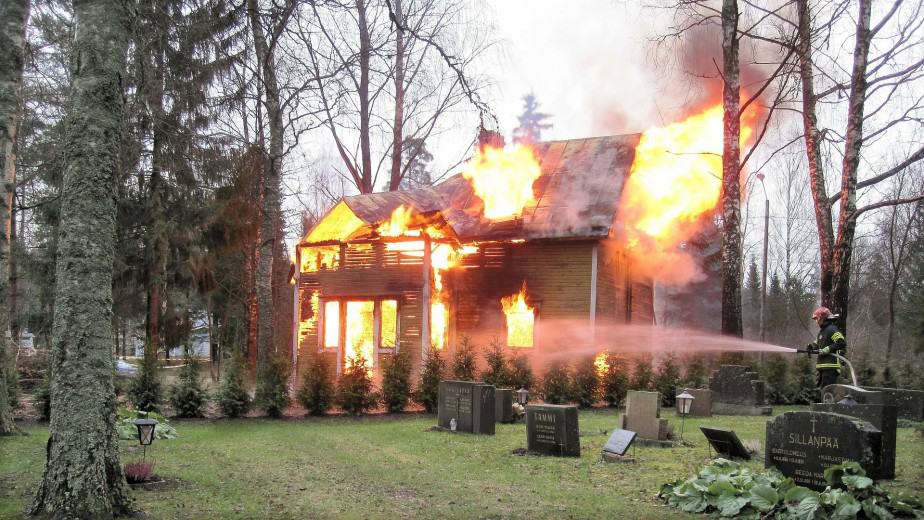
home on fire

You and your other family members might not have the keys on your person. 

Even if you did, there’s no guarantee the key would fit into the door, which could have melted. Plus, this wastes so much valuable time. 

In firefighting, every second counts, so the fire department can’t afford to get into the house the good, old-fashioned way.

That’s why the fire department will break into your home if it’s on fire even if your neighbors called 911 because their home was the original source of the blaze. 

To Search for Victims in Need of Rescue 

The other reason a fire department has to break into a house, so to speak, is to gain quick access to who’s inside. 

They have no time to finagle with a key ring and decide which key is for the front door and which is for the side door, not when there are people trapped inside the house. 

The firefighters need to get into the home quickly so they can begin searching for the potential victims, however many of them there are. 

Whether the firefighters help the victims out of the home personally or they provide a means for the victims to escape, the fire department wants to save as many lives as possible.

That doesn’t always exclusively mean human lives, either. You may remember our recent post on whether firefighters will save pets. Opens in a new tab.

If all human victims are out of the blaze, then yes, the fire department will do their best to recover your precious dog, cat, or other pet. 

If they had to try to unlock the door to your home, the time they’d spend doing this means they’d lose time in rescuing victims, including your favorite four-legged friends. 

How Does the Fire Department Break into Houses?

A firefighter’s job is to save lives first and preserve structures second. Once all the victims are out of the building, the fire department will focus on extinguishing the blaze rather than divide their attention between that and search and rescue. 

Some homes can be saved and others can’t.

Regardless, a firefighter will not hesitate to break into a home if they need to, even if this does detract from the quality of the property. This doesn’t mean firefighters are intent on destruction, nor that they’re reckless.

If the call is not considered an emergency, the fire department will try to thoughtfully enter the home or premises. Here are a few methods they’ll use according to specific situations firefighters encounter often. 

Turning the Power Off

In an apartment complex or another multi-unit building where only the upper area is on fire, the fire department might start in the basement and try to prevent the spread of fire by powering down the building. 

If they couldn’t get into the electrical panel room, the firefighters might smash through a padlock or even remove the molding around the door using a small crowbar to gain access rather than break the door down outright. 
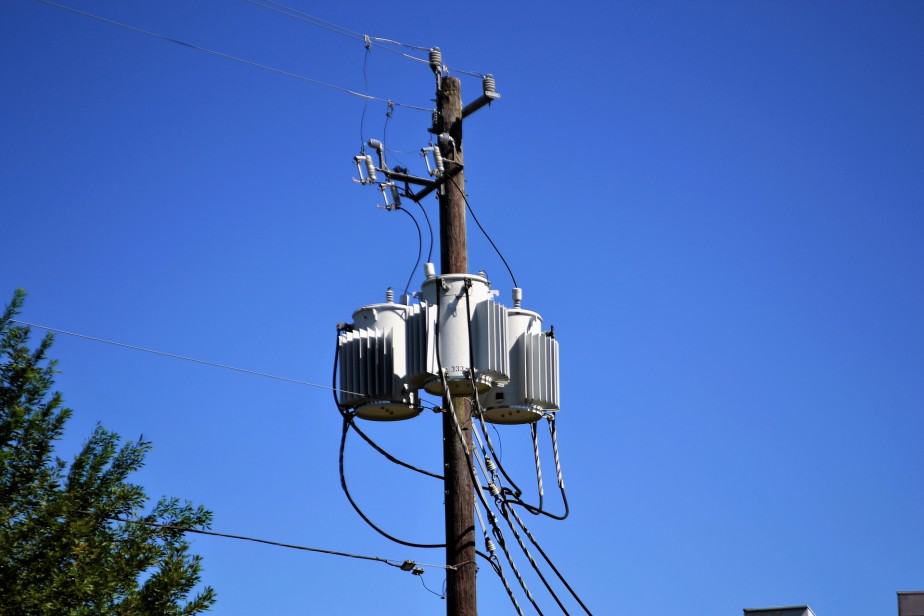
power lines and transformers

Then they could power down the complex.

In such a situation, the building owner would only need to mold the doorframe back or hammer some nails to secure the frame. This is very minor damage to the door, plus the building can be saved by controlling the fire early on. 

Breaking Garage Panes

What if there’s a gas leak or a strong gas smell in a home or multi-unit building? 

If there’s no fire raging, then the fire department will ask the homeowner if they can gain access to the garage. Provided the homeowner isn’t available, such as being at work, then the fire department is left to their own devices.

Remember, this is still considered a non-emergency, although that status can change at any time. The firefighters might get into the garage by breaking a garage pane or two. 

Then they can turn off the gas, ventilate the house, and prevent a fire. The homeowner would have to make several small, inexpensive repairs to their garage door. 

Kicking the Door In

In more serious situations where the home or building is already on fire and the fire department needs immediate access, there’s no time to waste. 

Some firefighters will kick the door down, using a mule kick technique to smash the door into two or more pieces. 

You may not see this all the time from fire departments though because kicking the door in doesn’t work quickly nor easily for all types of doors. 

Thus, a firefighter could be wasting precious seconds and his or her own energy trying this. 

Breaking the Door

More often, two firefighters will use a maul with a flat-head axe or a Halligan bar to break a door. A flat-head axe is a common firefighting tool that can smash through doors made of wood and other materials. 

A Halligan bar or tool is named for Hugh Halligan, the First Deputy Chief of the New York City Fire Department back in 1948. 

broken door

He created the tool, which is still used to this day. With a Halligan bar, a firefighter can strike, punch, twist, or pry a door. This is due to the components of the tool, which include a pick with a tapered edge, an adze or wedge blade, and a fork, which is claw-like.

If a firefighter needs to break the latch of a door rather than the door itself, a Halligan bar can do that. 

In the case of a swinging door, the firefighter would put the Halligan bar between the doorjamb and the door itself, separating the two. Then a second firefighter can use a flat-head axe or a sledgehammer to finish the job. 

Other duties of the Halligan bar are removing top hinges on doors or even breaking through walls. 

Most Halligan bars are 18 to 54 inches long and made of stainless steel, beryllium copper, or titanium. You can add carrying rings or straps to make toting the Halligan bar easier. 

Smashing the Windows

Breaking the windows of a home or building is a top priority for the fire department (*depending on the circumstances). 

By opening all the windows forcibly, heat and smoke can exit the building, which can lessen the extent of the fire damage to your home. Ventilating in this manner can also be used as a strategy to send the smoke and heat away from a room or area of the house where victims are trapped.

The fire department will use a Halligan bar, window punch, pike pole or a flat-head axe for breaking through windows. 

As a word of warning, you should never try to help the firefighters along by opening the windows in a burning building. For one, this distracts from your first objective, which should always be to get out of the home as quickly as possible.

Also, opening windows and ventilating a home during a fire must be timed properly in order to protect firefighters inside.  If you open or break a window at the wrong time it can change the interior conditions and put firefighters in danger. Leave this job to the professionals. 

Cutting a Hole into the Roof

Besides creating ventilation by removing the windows, the fire department will also vent the roof by cutting a hole there. 

Now there’s yet another place for smoke and heat to exit so the firefighters can safely get into the building and do their job with more visibility. 
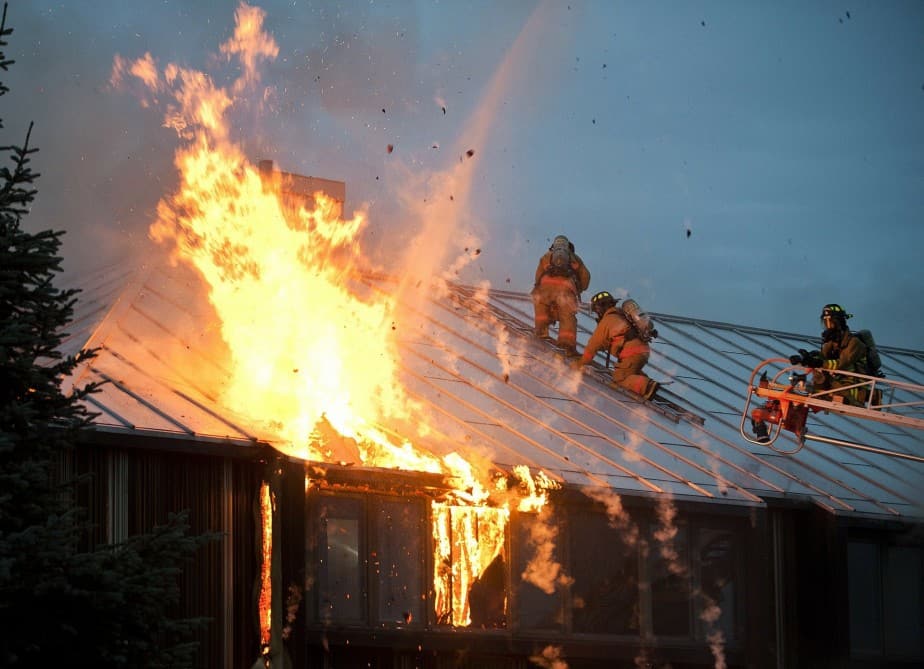
vertical ventilation

This form of ventilation is known as vertical ventilation, whereas breaking windows is horizontal ventilation. 

To penetrate the thick roof, firefighters will rely on an assortment of tools, often chainsaws, “K-12s” and cutters. By making a 4×4 hole, the firefighter has 16 square feet of ventilation. 

A larger hole that’s 6×6 increases the hole to 36 square feet. Going too much bigger than that is often unnecessary.

There are some critics of cutting holes into the roof of a home. Indeed, this method can waste valuable time, and a firefighter’s life can sometimes be more at risk for doing it. 

Check out this video from a firefighter in Fresno…

Is It Legal for a Fire Department to Break into a House?

Let’s take a moment to talk about the legalities of a firefighter entering your home, shall we? 

If you’re wondering whether you can turn a fire department away after you’ve already called 911, to answer that, we bring up the story of Lisa Boyle from Orange County, New York.

In 2011, Boyle’s son, who was 14 at the time, believed the chimney of their home was on fire, so he did the right thing and dialed 911. Boyle attempted to cancel the call but appeared to be unsuccessful. 

Local firefighters arrived, Boyle asked them to go, but they wouldn’t until they inspected the property for any traces of fire. 

Firehouse.com, which discussed this story, says this on the matter: “Probably as much as any single issue, the legal duty of a fire department to respond to a fire distinguishes what we do as firefighters from what we do as emergency medical providers. To put it simply, a competent person may have the legal right to refuse medical treatment against medical advice, but a property owner (competent or otherwise) does not have a similar legal right to refuse firefighters the right to enter a property to look for the source of smoke, investigate an alarm or extinguish a fire.”

It’s the fire department’s job to do those three things, and even outside of their occupational duties, if a firefighter were to get lax, they’d potentially be liable. 

That same Firehouse article mentions that fire departments have a legal authority granted to them from localities and states to break into homes when needed. 

It’s not just residential properties firefighters can access in this manner, but businesses as well. That’s the case even if the owner doesn’t consent to the building or home being entered, such as the case of Lisa Boyle. 

What to Do After the Fire Department Has Left

Your home was saved by your trusty fire department. You’re glad, but the damage the firefighters caused by getting into your home is significant. 

The windows are broken, you may be missing a front door, and there could be a hole in your roof.

Fortunately, most of this–as well as the fire damage–is usually covered under your homeowner’s policy. 

How extensive your coverage depends on if you pay to protect detached structures (such as a detached garage or shed), just your home, or dwellings like an attached garage. 

Although it’s not convenient to get new windows or a fresh front door, at the end of the day, this is small potatoes. You still have a home and a family who’s all alive, and that’s what matters most. 

Finally, firefighters have a legal and moral right to enter a home through any means necessary in a fire. The methods of entry include breaking down doors, smashing windows, and cutting a hole into the roof if the fire is serious. 

You might not always like this fact, but it’s a crucial one. Besides, homeowner’s insurance should pay for the damages later. 

from FirefighterNOW https://firefighternow.com/can-the-fire-department-break-into-my-house/

From https://catherinelee4.blogspot.com/2020/10/can-fire-department-break-into-my-house.html

source https://catherinelee4.wordpress.com/2020/10/25/can-the-fire-department-break-into-my-house/


Wednesday, 14 October 2020

Will firefighters rescue pets?

Our pets mean everything to us, with many people regarding pets as part of the family. That’s why it’s so heartbreaking to find your pet stuck in a perilous situation. Whether it’s the classic cat trapped in a tree or a dog in a burning building, can you rely on your local firefighters to rescue your pets?

Firefighters will do their best to rescue pets, especially during a fire. However, their priority is to rescue people first. If a situation is too perilous to get a pet out safely, then the firefighters might not be able to save the animal.

In this article, we’ll discuss more on the situations in which firefighters do and don’t rescue pets, including putting to bed the idea that firefighters are known to get cats out of trees. 

If you have a furry four-legged friend or any other pet at home, this is one article you’re not going to want to miss!

Will a Firefighter Rescue Pets?

Fires bring with them more than just flames, but intense heat, choking smoke, and falling rubble. If your pet is caught in the crosshairs during a fire, you might wonder what the extent of a firefighter’s services entails in this instance. Let’s discuss that now.

What if my pet is stuck in a tree?

It’s the old standard television and movie plot: a cat has gotten loose outside and climbed up a tree, and only the fire department can save the furry animal. 

Since firefighters have tall ladders, the thought is they can drive their fire trucks to the site, pull the ladder out, and bring the kitty back down to safety.

You’ve probably seen this scenario so many times in movies and television that you think it’s reality, right? 

If so, you’re certainly not to blame. 

You might have even thought your cat was primarily supposed to drink milk because you saw that in a TV show too.

Like the milk thing for cats (they should drink water, as milk upsets their stomach), the cat in a tree thing for firefighters isn’t what it seems either.

From the accounts of firefighters (myself included), most say that in their careers, they’ve never had to rescue a cat from a tree. 

Would they if they had to? Absolutely. Many fire departments don’t even offer this service though. 

Think about why that is. If your cat is in a tree but that tree isn’t on fire, nor is the surrounding area, then it’s a huge waste of the fire department’s time and resources to come out and help the feline. 

The time the firefighters devote to coaxing the cat down could be spent saving lives and preserving homes, buildings, and other structures.

If your cat ever does end up in a situation where he or she is stuck in a tree, you want to get in touch with your local tree service provider instead. 

Calling the fire department might get you referred to the tree people; the same is true if you contact your vet.

What if my pet is trapped beneath rubble?

What if your poor pet gets trapped beneath rubble during or after a fire? 

If the fire is ongoing and the rest of the fire team is working steadily to put it out, the firefighters will attempt to rescue everyone, beginning with people. If they can safely remove your pet from the rubble, they will.

If the fire has already gone out, then it’s a no-brainer that the firefighter will dislodge the rubble to help the poor kitty or puppy trapped underneath. 

This 2016 article from The Chicago Tribune shows that some firefighters will even use oxygen masks on pets that may have smoke inhalation damage, so your pet is definitely in good hands. 

What if my pet is in a burning building?

Here’s the big one. 

If your home is on fire, you might not have time to get your whole family out as well as the animals. You will request that firefighters onsite go back into the burning building to rescue your poor pet.

Whether that’s something the firefighting team can do comes down to a few factors. You see, firefighters have a hierarchy they follow when they perform rescues. 

They will always start with human victims, then animals. This can seem callous and even cold, but it’s necessary to maximize the opportunity to save lives.

If you couldn’t get your whole family out of the building before the flames started, then the firefighter’s first priority is to rescue that person or people. 

Then, if it’s still safe to do so, they’ll go in and rescue your pet.

Even if everyone is already out of the building, a firefighter can’t always go back in. 

The situation might be deemed too dangerous for them to re-enter, so they sadly have to let the pet go. It’s a gut-wrenching reality, but it does happen.

A firefighter engineer named Zachary Buhler made a statement on Quora that nicely summarizes a firefighter’s stance on the matter.

“In the context of a burning building we will generally enable a pet to make their own escape, or grab them if it does not expose any humans to additional risk of injury or death. The mentality is that we risk a lot to save a lot, risk a little to save a little. Unfortunately for Spot, Rover, or Fido as opposed to a child, if it would endanger a firefighter to save him it is not something that should be done. Ethically, one could debate this hierarchy of life concept but company and chief officers can be held criminally responsible for unnecessarily risking the well being of their subordinates.”

Even that instance of putting an oxygen mask on a dog is certainly heartwarming, but it’s not something firefighters can always do legally. 

According to this 2017 article from The Washington Post, in some states, if you don’t have a veterinary license and you administer medical care to a pet or another animal, you could face jail time or a hefty fine. 

That’s the case in Maryland as of the time of publication, says the article.

As of 2017, lawmakers in the state sought to change the rules so first responders could save animals without the risk of punishment or being sued. 

Colorado has a similar rule that’s been in place since 2014 and Ohio since 2015, and 22 other states also let firefighters care for animals. 

Although what a firefighter may do to save your pet or someone else’s isn’t legally allowed all the time, that doesn’t stop firefighters who recognize when a pet needs help. Many firefighters have quite big hearts. 

Can You Bring a Lost Dog or Cat to a Fire Station?

Here’s another scenario you may have a question about. 

Let’s say you found a pet in your neighborhood that doesn’t belong to you. You ask around town and no one else claims the animal either. You don’t think the dog or cat was involved in a fire, but can you bring the animal to a fire station anyway?

Actually, you can! 

Although it varies from fire station to fire station across the country, more and more of them have microchip readers. 

If the lost pet was microchipped, then reading the chip at the fire station will tell you who the dog or cat belongs to. You can then spearhead the effort to get the pet reunited with their owner, perhaps even with the assistance of your local firefighters.

Besides your nearest fire station, you can also take a lost pet to a veterinarian’s office or a police station to get their microchip read. 

Pet rescue organizations will do the same. FYI, a vet will not charge you for this service, so don’t delay! 

Conclusion 

Firefighters will always try to rescue pets, especially from a fire. That said, firefighters must ensure that all people are out of harm’s way first. Also, for their own well-being, the conditions must be safe enough to permit re-entry into the building.

As for whether firefighters will rescue cats from trees, it doesn’t happen very often. Remember, you’re better off contacting your tree service provider for that! 

from FirefighterNOW https://firefighternow.com/will-firefighters-rescue-pets/

From https://catherinelee4.blogspot.com/2020/10/will-firefighters-rescue-pets.html

source https://catherinelee4.wordpress.com/2020/10/15/will-firefighters-rescue-pets/

Saturday, 5 September 2020

EMT vs. Paramedic: What’s the Difference?

Choosing the right career path for you is a life-altering decision, so it’s one you want to give plenty of consideration. Currently, you’re stuck between the ideas of working as an EMT or a paramedic. Are these two career paths really all that different? If so, how?

EMTs and paramedics both work in the medical field, but what an EMT can do in terms of administering life-saving procedures or medications differs from a paramedic. EMTs can use oxygen, glucose, and CPR treatments whereas paramedics can treat conditions with pacemakers, medications, and IV lines. Also, both fields require different levels of schooling.

In this article, we’ll explain the job roles of EMTs and paramedics in more detail. Then, we’ll go area by area, comparing EMTs and paramedics in job responsibilities, schooling, how to get into the field, earnings potential, and job outlook. 

What Is an EMT?

An emergency medical technician or EMT may be referred to as an ambulance technician as well. 

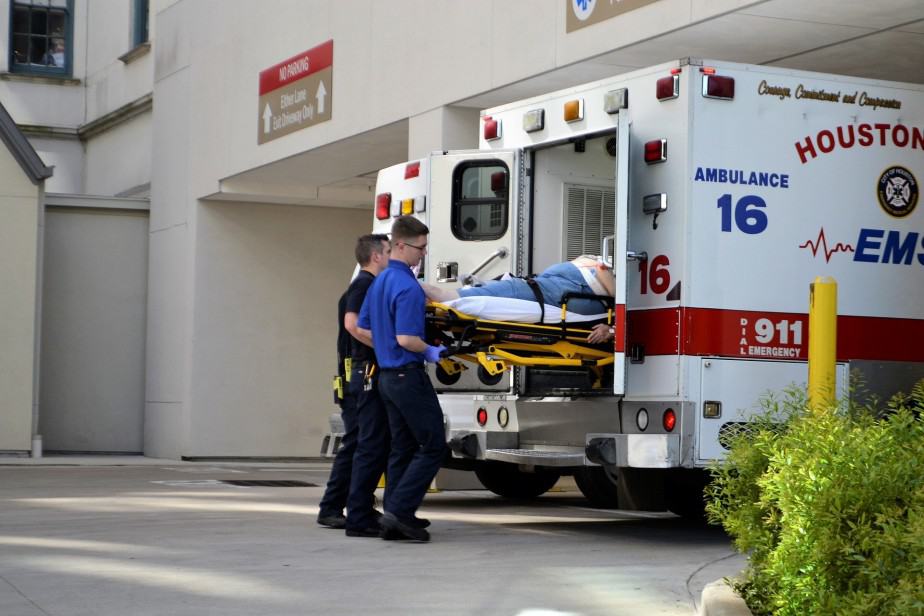
This medical professional rides in or drives an ambulance, overseeing the transport of a patient in need of urgent medical care. An EMT can administer treatments and procedures that may save the life of the patient.

Most EMTs that earn that role have been trained and are certified, but in some instances, EMTs may not have certification. 

They still must undergo a degree of schooling and training to get into the job, how much we’ll discuss a bit later.

Fire departments hire EMTs, as do hospitals, government agencies, municipal EMS agencies, and private ambulance companies. 

Most EMTs who work this job are doing it and getting paid, but it’s not unheard of for some dedicated pros to donate their time and volunteer in an EMT capacity. 

What Is a Paramedic?

What about paramedics? 

If you’re a paramedic, you may also do your work on an ambulance, but not exclusively. As part of the emergency medical services or EMS team or first aid squad (FAST), a paramedic has more qualifications than that of an EMT, which is the main differentiating factor between them.

Since a paramedic is more qualified at their job, they can issue more treatments and procedures that may save the life of a patient. 

Their level of expertise may stretch further than an EMT, in that a paramedic is educated in areas like medical procedures, which medications to administer and when, cardiology, physiology, and anatomy. 

A paramedic may begin as an EMT and later become a paramedic, but not always. 

Some paramedics get the schooling and training required to jump right into that field without ever having worked as an EMT first. 

What Are the Job Responsibilities of an EMT vs. a Paramedic?

EMT Job Responsibilities 

If you decide to pursue a career as an EMT, what kind of job responsibilities will be expected of you day in and day out? 

As mentioned in the first section, most of your job will likely involve you riding in an ambulance. 

When you reach the patient that needs care, you will have to evaluate and examine them. You will also have to determine what kind of care the patient needs in this moment before they reach the hospital. 

You must have a strong knowledge of all the medical equipment and treatments available to you as an EMT so you can make an educated decision on which is best for the patient. 

Then, you must document what the patient’s current condition is (such as an injury or illness), other pertinent information, which treatment you administered, and how the patient reacted.

It’s also crucial that you abide by patient confidentiality rules (better known as HIPPA) so that the patient can expect to have a degree of privacy when they’re in your care, even if they have yet to reach the hospital (or don’t have to because of your care, which can happen). 

Not all EMTs will sit in the back of the ambulance with the patient, as we said. If you choose to take on this role, it may be your responsibility to drive the ambulance. 

Operating an ambulance isn’t like driving a car or truck. 

Not only must you have passed an Emergency Vehicle Operator Course or EVOC in many states before you can drive an ambulance, but the rules of the road are different.

For instance, in an emergency, you can bypass red lights and other stops. Still, you must be able to safely navigate the roads, drive at an even yet speedy pace, and not put other motorists’ lives at risk trying to transport your patient to the hospital or another medical facility.

Paramedic Job Responsibilities

As a paramedic, you may work as part of a small team with no more than two or three people. This ambulance crew will also comprise more seasoned medical workers, including senior members. 

When an emergency strikes, as a paramedic, you’ll get there first, or very close to first. You’ll speak to friends, relatives, and witnesses to gather a picture of what happened. 

Then, as you would as an EMT, you’ll quickly review the patient’s information and assess their current state to decide which treatment is most fitting for their condition. 

You can do basic tasks like dress a wound, diagnose an injury or illness, and administer intravenous infusions, pain relief medications, and other meds. 

You can also use more specialist medical equipment such as a defibrillator and/or a ventilator.  

You will ride in emergency vehicles like ambulances, and in some instances, as a paramedic, you’ll also be expected to drive an ambulance. You’d bring the patient to the local hospital or medical facility so they can receive more care. 

When you’re not working to help patients directly, you might train other budding EMTs or paramedics on the ins and outs of the job, such as how to use first aid. This teaching would be in an official capacity. 

What Kind of Schooling Do You Need to be an EMT vs. a Paramedic?

EMT Education

Whether you decide a role as an EMT or a paramedic is better suited for you, either way, expect to undergo hundreds of hours of rigorous schooling to enter the field. 

Also, if you’re looking for a list of EMT/Paramedic programs near you, check out our comprehensive list of EMT and Paramedic programs here.

At the very least, it’s recommended you start with a general education degree (GED) or a high school diploma if you don’t already have one. 

Then you can begin earning your EMT certification. According to the National Registry of Emergency Medical Technicians or NREMT, earning your certification involves you passing two exams. 

The first of these is a psycho-motor exam. During this exam, you will be quizzed on your knowledge in the following areas:

  • Administering supplemental oxygen
  • Performing mouth-to-mouth using supplemental oxygen
  • Applying suction to the upper airway adjuncts
  • Shock management
  • Bleeding control
  • Splinting
  • Joint dislocation immobilization
  • Long bone fracture immobilization
  • BVM ventilation for apneic patients
  • Cardiac arrest management
  • Patient assessments

The second exam, the cognitive exam, includes upwards of 120 questions, including live items, at least 60 of these as well as a few pilot questions. 

The exam lasts for two hours and requires your knowledge in these areas:

  • EMS operations
  • Gynecology
  • Obstetrics
  • Trauma care
  • Resuscitation 
  • Cardiology
  • Ventilation and respiration

Besides passing the above two tests, you also must commit to at least 120 hours of schooling to earn your EMT certification. 

Don’t forget that in some states, you may need your EVOC or Emergency Vehicle Operator Course license that lets you drive an ambulance. The states that require an EVOC are as follows:

  • Wyoming
  • Missouri
  • West Virginia
  • Minnesota
  • Virginia 
  • Kentucky
  • Iowa
  • Pennsylvania
  • Oregon
  • Hawaii
  • Oklahoma
  • Florida
  • District of Columbia
  • New Mexico
  • Delaware
  • Connecticut
  • Nebraska
  • Alabama 

Paramedic Education 

The training requirements are much more stringent if you want to become a paramedic. Rather than spend 120 hours or more on your training or education, you must dedicate between 1,200 and 1,800 hours in all. 

That’s about two years. 

There’s no way to fast-track earning your paramedic certification, by the way, so you must be willing to commit to the long haul.

You may be able to enroll in a paramedic training degree program at your local community college or university to get started. 

It’s ideal if you have taken college courses on subjects like English, math, and biology and successfully passed these if you haven’t already, as many paramedic programs will demand you do so.

The NREMT also offers a national registered paramedics course that includes a psycho-motor and cognitive exam. 

If you trained to become an EMT several years back through the NREMT, then the structuring of these courses will be familiar to you.

During your psycho-motor exam, you must excel in six areas. 

These include the Integrated Out-Of-Hospital Scenario, Oral Station Case A, Oral Station Case B, Static Cardiology, Dynamic Cardiology, Trauma, and Patient Assessment. 

The Integrated Out-Of-Hospital Scenario or IOOH involves an adult, geriatric, or pediatric patient. You will work with a partner who’s a pro paramedic to assess the condition of the patient, diagnose them, and administer the appropriate care. The entire scenario is simulated.

The Oral Stations may focus on areas like transport, field impressions, verbal reporting, interpersonal relations, patient management, patient assessments, and scene management. 

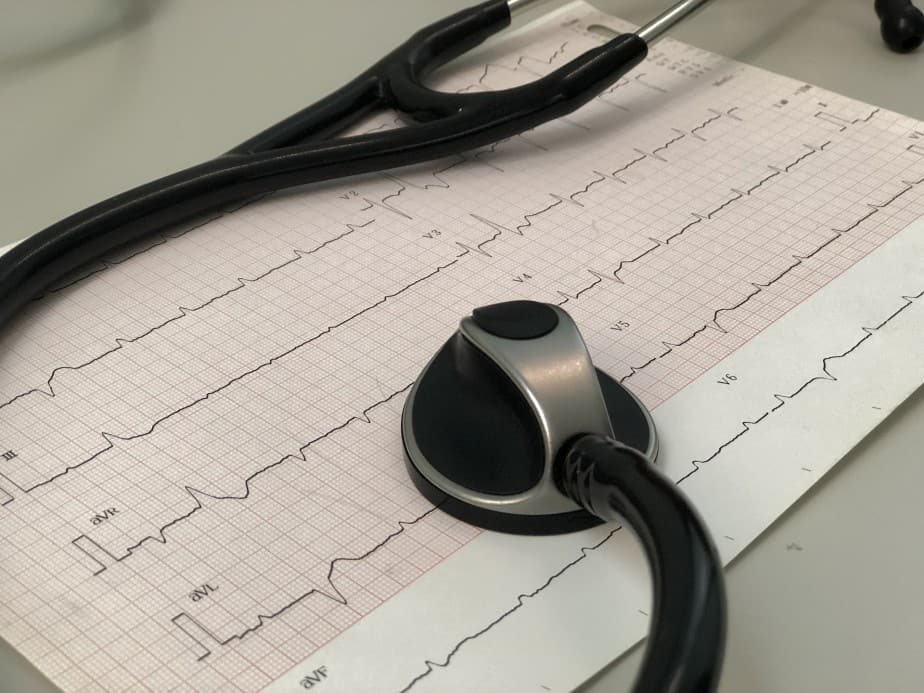
Your cardiac management skills will also be put to the test. During the Static Cardiology part of the psychomotor exam, you have to successfully review several ECG tracings and then determine the voice and rhythm for each one. 

The Dynamic Cardiology part of the exam includes you administering a treatment for a patient experiencing a cardiac arrest.

The Trauma section of your exam will review your skills in secondary assessments, history-taking, resuscitation, primary surveying, and sizing up the scene. 

That’s just the psychomotor exam, by the way. Your cognitive exam involves you passing a computer adaptive test or CAT as well as your National Registry Paramedic or NRP exam. 

You may have to answer up to 150 questions on the NRP test, including several live items (up to 130) and pilot questions. 

You have two and a half hours to complete the test. You’ll be quizzed on areas such as:

  • EMS operations
  • Gynecology
  • Obstetrics
  • Trauma care
  • Resuscitation 
  • Cardiology
  • Ventilation and respiration

Remember, since one of your primary duties as a paramedic may be to drive the ambulance, if you don’t already have your license (the EVOC) and you need it in the state in which you work, then make sure you get that license. 

How Much Money Can You Make as an EMT vs. a Paramedic?

EMT Salary

Before deciding what your working future will look like, you’ll want to take a peek into the financial outlook of the career field. What kind of money can you bring in as an EMT?

The U.S. Bureau of Labor Statistics or BLS lumps in EMTs and paramedics together. According to their official info, in 2019, an EMT or paramedic may earn $17.02 an hour or $35,400 per year.

We want to provide you the most detailed info as possible so you can make a smart career choice. Courtesy of ZipRecruiter, here’s an hourly and annual salary for EMTs per state in the US:

  • North Carolina – $11.57 an hour, $24,072 a year
  • Florida – $12.15 an hour, $25,281 a year
  • Missouri – $12.44 an hour, $25,869 a year
  • Mississippi – $12.47 an hour, $25,930 a year
  • Alabama – $12.59 an hour, $26,195 a year
  • Illinois – $12.61 an hour, $26,227 a year
  • Arkansas – $12.68 an hour, $26,370 a year
  • Michigan – $12.69 an hour, $26,390 a year
  • New Mexico – $12.72 an hour, $26,457 a year
  • Texas – $12.75 an hour, $26,514 a year
  • Georgia – $12.90 an hour, $26,822 a year
  • Iowa – $13.02 an hour, $27,090 a year
  • Louisiana – $13.16 an hour, $27,372 a year
  • Maine – $13.21 an hour, $27,483 a year
  • Idaho – $13.22 an hour, $27,504 a year
  • Oklahoma – $13.26 an hour, $27,582 a year
  • Indiana – $13.28 an hour, $27,626 a year
  • Utah – $13.30 an hour, $27,672 a year
  • Kansas – $13.31 an hour, $27,684 a year 
  • Arizona – $13.37 an hour, $27,804 a year
  • Wisconsin – $13.40 an hour, $27,862 a year
  • Ohio – $13.43 an hour, $27,929 a year
  • Montana – $13.51 an hour, $28,093 a year
  • Colorado – $13.52 an hour, $28,114 a year
  • Tennessee – $13.52 an hour, $28,131 a year
  • Delaware – $13.53 an hour, $28,151 a year
  • Oregon – $13.54 an hour, $28,155 a year 
  • Minnesota – $13.57 an hour, $28,223 a year
  • South Carolina – $13.58 an hour, $28,249 a year
  • Pennsylvania – $13.65 an hour, $28,396 a year 
  • West Virginia – $13.72 an hour, $26,534 a year
  • New Jersey – $13.74 an hour, $28,569 a year 
  • South Dakota – $13.76 an hour, $28,631 a year 
  • Kentucky – $13.80 an hour, $28,699 a year 
  • Virginia – $14.08 an hour, $29,288 a year
  • California – $14.14 an hour, $29,419 a year
  • Wyoming – $14.17 an hour, $29,467 a year
  • North Dakota – $14.18 an hour, $29,492 a year 
  • Nevada – $14.23 an hour, $29,604 a year
  • Nebraska – $14.27 an hour, $29,677 a year 
  • Vermont – $14.29 an hour, $29,715 a year
  • Alaska – $14.35 an hour, $29,838 a year
  • Rhode Island – $14.36 an hour, $29,877 a year
  • Connecticut – $14.48 an hour, $30,122 a year
  • Maryland – $14.49 an hour, $30,131 a year
  • Hawaii – $15.01 an hour, $31,,226 an hour 
  • New Hampshire – $15.21 an hour, $31,643 a year
  • Washington – $15.52 an hour, $32,286 a year 
  • Massachusetts – $15.63 an hour, $32,513 a year 
  • New York – $15.78 an hour, $32,823 a year 

Paramedic Salary

The same hourly and annual salary information for a paramedic is available courtesy of ZipRecruiter that breaks down the data state by state. Here it is:

  • North Carolina – $16.83 an hour, $35,001 a year
  • Florida – $17.67 an hour, $36,757 a year 
  • Missouri – $18.08 an hour, $37,612 a year 
  • Mississippi – $18.13 an hour, $37,701 a year 
  • Alabama – $18.31 an hour, $38,086 a year 
  • Illinois – $18.33 an hour, $38,133 a year 
  • Arkansas- $18.43 an hour, $38,342 a year 
  • Michigan – $18.45 an hour, $38,370 a year 
  • New Mexico – $18.49 an hour, $38,467 a year 
  • Texas – $18.53 an hour, $38,551 a year 
  • Georgia – $18.75 an hour, $38,999 a year 
  • Iowa -$18.94 an hour, $39,388 a year 
  • Louisiana – $19.13 an hour, $39,797 a year 
  • Maine – $19.21 an hour, $39,960 a year 
  • Idaho – $19.23 an hour, $39,990 a year
  • Oklahoma – $19.28 an hour, $40,103 a year
  • Indiana – $19.31 an hour, $40,167 a year 
  • Utah – $19.34 an hour, $40,234 a year 
  • Kansas – $19.35 an hour, $40,252 a year 
  • Arizona – $19.44 an hour, $40,426 a year 
  • Wisconsin – $19.48 an hour, $40,510 a year 
  • Ohio – $19.52 an hour, $40,607 a year
  • Montana – $19.64 an hour, $40,846 a year 
  • Colorado – $19.65 an hour, $40,876 a year 
  • Tennessee – $19.66 an hour, $40,902 a year 
  • Delaware – $19.68 an hour, $40,931 a year 
  • Oregon – $19.68 an hour, $40,937 a year 
  • Minnesota – $19.73 an hour, $41,036 a year 
  • South Carolina – $19.75 an hour, $41,073 a year
  • Pennsylvania – $19.85 an hour, $41,287 a year 
  • West Virginia – $19.95 an hour, $41,488 a year 
  • New Jersey – $19.97 an hour, $41,539 a year 
  • South Dakota – $20.01 an hour, $41,629 a year 
  • Kentucky – $20.06 an hour, $41,727 a year 
  • Virginia – $20.47 an hour, $42,584 a year 
  • California – $20.56 an hour, $42,774 a year 
  • Wyoming – $20.60 an hour, $42,844 a year 
  • North Dakota – $20.62 an hour, $42,881 a year 
  • Nevada – $20.69 an hour, $43,044 a year 
  • Nebraska – $20.74 an hour, $43,149 a year 
  • Vermont – $20.77 an hour, $43,204 a year 
  • Alaska – $20.86 an hour, $43,384 a year 
  • Rhode Island – $20.88 an hour, $43,440 a year 
  • Connecticut – $21.06 an hour, $43,796 a year 
  • Maryland – $21.06 an hour, $43,810 a year 
  • Hawaii – $21.83 an hour, $45,402 a year 
  • New Hampshire – $22.12 an hour, $46,007 a year 
  • Washington – $22.57 an hour, $46,943 a year 
  • Massachusetts – $22.73 an hour, $47,283 a year 
  • New York – $22.94 an hour, $47,724 a year 

Is There Room for Advancement as an EMT vs. a Paramedic?

You just got hired as an EMT or paramedic. Will this be your job title for the foreseeable future or is there room for you to advance your career?

As an EMT, your goal should be to work your way up to the paramedic level. As you can see from reviewing the two sets of annual state income data from ZipRecruiter, in every state in the country, a paramedic far out-earns an EMT. 

This is simply because a paramedic’s job is more advanced and requires more training.

Remember, you’ll have to dedicate at least two years of your life on training to become a paramedic, so you’ll have your EMT job for a while. 

The skills you learn throughout your training to earn a certification will both come in handy now while you’re still an EMT as well as later when you officially work in the capacity of a paramedic.

As an EMT, you’re only the first tier, an EMT-Basic. Then, you’ll reach the second tier, EMT-Intermediate. The third tier is EMT-Paramedic. 

What about once you earn that coveted title? As a paramedic, have you hit your glass ceiling, so to speak? 

Not at all! 

As a top-tier paramedic, you can go in all sorts of different job directions within the medical field. For example, you could become a physician’s assistant.

As a physician’s assistant, it’s your job to request tests for diagnostics, give a patient a prescription for medication, and even examine patients to determine what may be causing them pain or illness. 

You do need at least a master’s degree to work as a physician’s assistant. The annual salary for this job title is $95,000 to $130,000 a year, so it’s certainly a pay bump!

You could also look into working as a dispatcher, instructor, operations manager, administrative director, or paramedic supervisor. There’s no limit to the branching career paths your job as a paramedic can take you! 

What’s the Career Outlook as an EMT vs. a Paramedic?

According to the BLS, in 2018, the US had 262,100 EMT and paramedic jobs. Between 2018 and 2028, the field is expected to add on 18,700 more jobs for a job growth rate of 7 percent.

That’s quicker than average compared to other industries, says the BLS.

If you’re looking for a career path with job security and longevity, working as an EMT or paramedic are two great jobs. 

There will always be people getting sick or injured, which means there’ll always be a need for your job. 

Conclusion

EMTs and paramedics share similar roles, such as assessing and diagnosing patients, administering medications, and driving an ambulance. 

That said, paramedics can offer more advanced treatments on the spot because the job requires two extra years of training compared to working as an EMT. 

Appropriately, you earn more money as a paramedic.

Hopefully this article enlightened you and will help you choose your next exciting career path. Best of luck! 

from FirefighterNOW https://firefighternow.com/emt-vs-paramedic/

From https://catherinelee4.blogspot.com/2020/09/emt-vs-paramedic-whats-difference.html

source https://catherinelee4.wordpress.com/2020/09/06/emt-vs-paramedic-whats-the-difference/